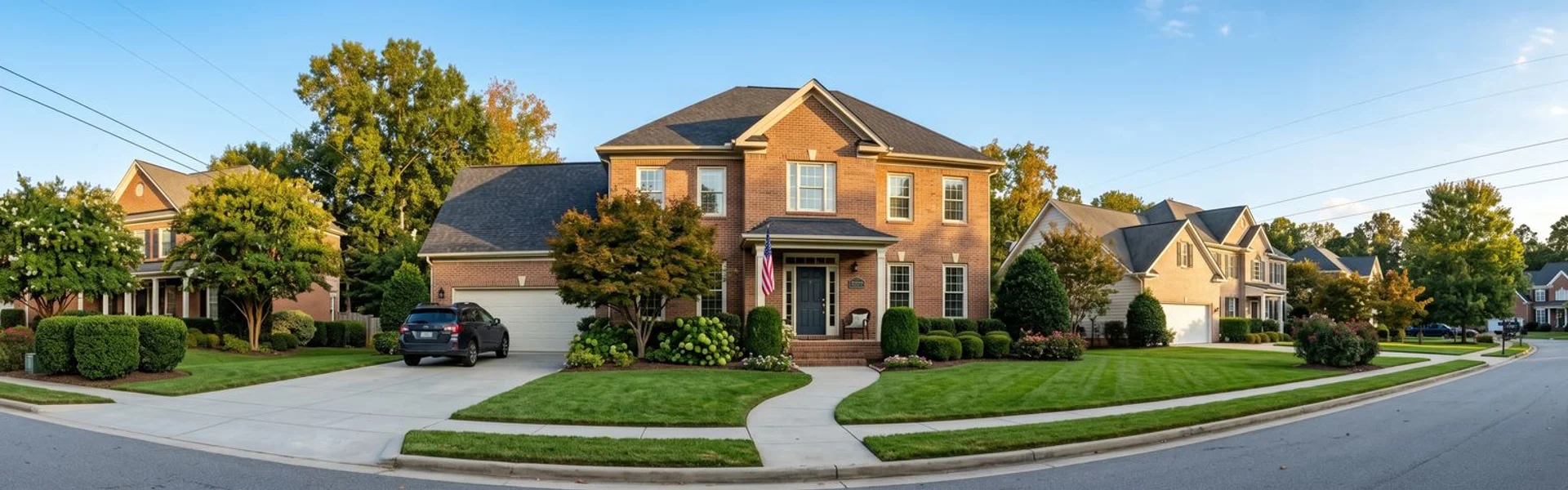
What Siding Types Need Soft Washing? Vinyl, Brick, HardiePlank, Stucco
PSI tolerance by siding material — vinyl, brick, HardiePlank, stucco. Qualify your siding before a Raleigh house wash.
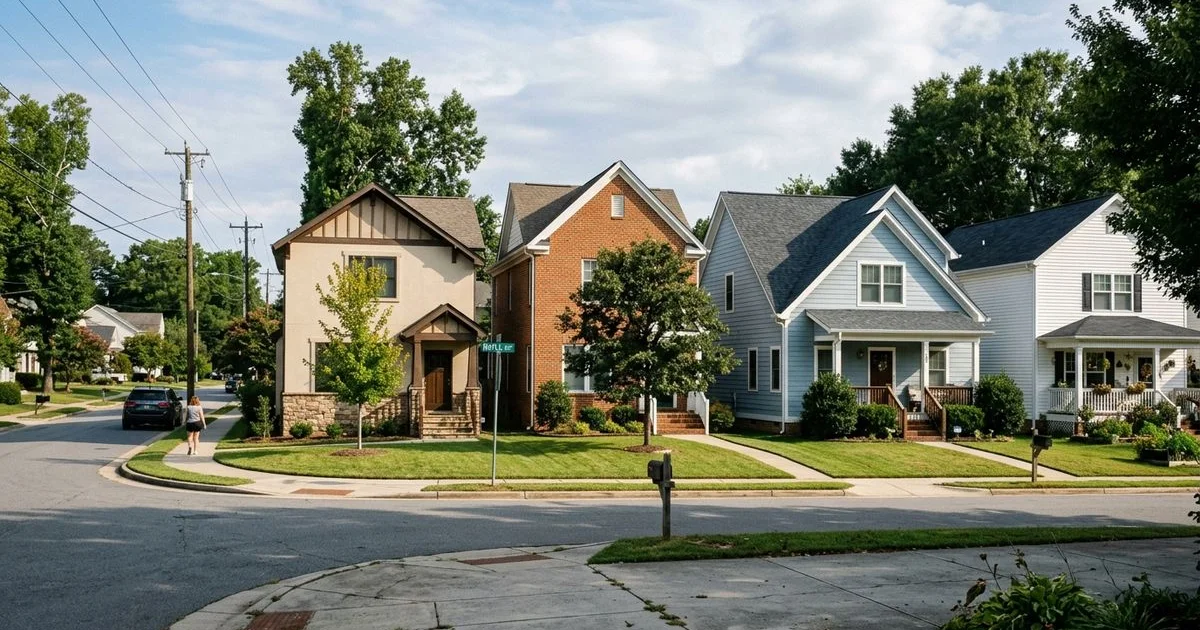
We consistently find that the worst exterior damage comes from the wrong cleaning methods. Blasting high-pressure water against a home seems like a quick fix. That aggressive approach actually forces moisture behind panels and strips away protective finishes.
Our team has seen too many Raleigh property owners face massive repair bills after someone used heavy pressure on every surface. Treating delicate materials like EIFS or historic brick requires specific chemical mixtures and very low pressure. Using the correct technique is the only way to avoid voiding your manufacturer warranties.
We are going to break down the four main soft wash siding types found in our area and walk through the exact protocols needed to protect them.
How to identify what you have
Identifying your specific siding is the mandatory first step before applying any water or cleaning solution. The exact material dictates the pressure tolerance and the chemical mixture required. We rely on visual cues and simple physical tests to categorize the four common surfaces found on Raleigh homes.
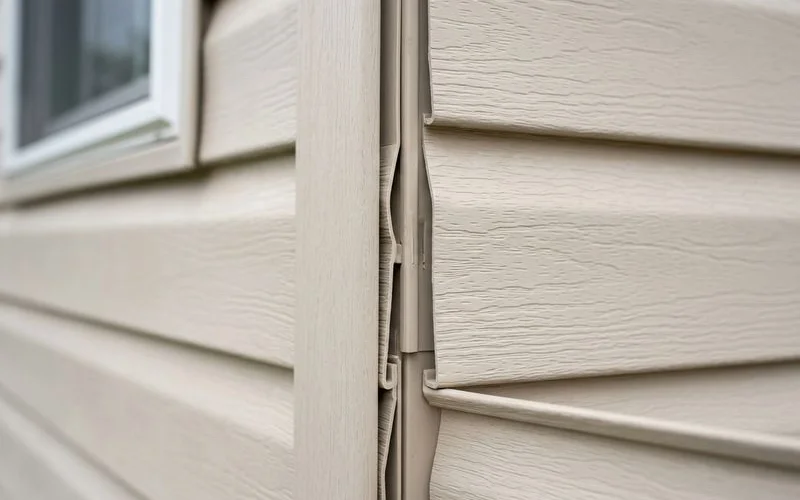
Applying a soft wash requires knowing exactly how much force a surface can handle. Here is exactly what to look for when inspecting your property.
Vinyl Siding
Our crews see vinyl on the majority of newer construction projects. Long horizontal panels feature locking edges that create a hollow sound when you tap them. This lightweight material is highly vulnerable to water intrusion if washed incorrectly.
We always check the lap joints where these panels overlap. Manufacturers like CertainTeed explicitly warn that forcing water behind these panels can cause mold growth inside your wall cavities. You need a targeted cleaning agent applied at low pressure to clear away algae safely.
HardiePlank Fiber Cement
Our next most common material is fiber cement, which closely mimics the texture of natural wood. You can identify HardiePlank by doing a simple tap test on the boards. A solid, dense sound indicates you have fiber cement rather than hollow vinyl.
We spot this material frequently on newer builds in Holly Springs and Apex. The manufacturer, James Hardie, states in their official maintenance bulletin that high-pressure blasts will void your siding warranty. They require low-pressure water and soft brushes to protect the factory finish.
Historic and Veneer Brick
We encounter a massive amount of brick across older Raleigh and Durham neighborhoods. Brick requires careful attention because the mortar joints degrade significantly over time. High pressure levels above 2000 PSI will literally blow the sand out of older mortar.
Our restoration contacts note that professional tuckpointing to fix this damage averages $1,450 for a standard residential section in 2026. You can avoid those steep repair bills by correctly identifying the brick type first. Older mortar always requires a chemical cleaning approach rather than brute force.
Stucco and EIFS
We must clearly distinguish between traditional cement stucco and synthetic EIFS before starting any job. Both feature a continuous, textured surface without any visible panels. Synthetic stucco, known as EIFS, relies on a foam insulation board underneath a very thin outer coating.
Our technicians treat this synthetic material as the most fragile surface on the market. Water driven into EIFS foam causes severe structural rot almost immediately. Full remediation for moisture damage in an EIFS home now runs up to $32,000, making safe cleaning methods absolutely vital.
Soft wash protocol by material
We calibrate a specific chemical mixture with water pressure below 100 PSI for correct soft washing. Understanding the psi tolerance siding requires protects your investment while delivering a superior clean. Specialized detergents do the heavy lifting instead of mechanical force.
Our team uses the following precise matrix to determine the safest approach for every property.
| Material | PSI Limit | Cleaning Approach | Critical Notes |
|---|---|---|---|
| Vinyl Siding | <100 PSI | Standard soft wash protocol | Use 3% sodium hypochlorite and surfactant to avoid pushing water behind lap joints. |
| HardiePlank | <100 PSI | Soft wash with soft brush | Avoid joint seams to protect the James Hardie manufacturer warranty from voiding. |
| Classic Brick | <100 PSI | Soft wash with extended dwell | High pressure pits the surface and destroys older, brittle mortar joints. |
| Painted Brick | <100 PSI | Mild surfactant application | Chemistry must be adjusted down to protect the existing paint adhesion on the brick. |
| Cement Stucco | <100 PSI | Gentle soft wash | Aggressive pressure flattens the texture and causes permanent micro-cracking. |
| EIFS (Synthetic) | Garden Hose Only | Mildest chemical treatment | Never use pressure. Breached foam leads to catastrophic moisture rot inside walls. |
Using the correct chemistry means the cleaning agent breaks down algae at the root. The solution dwells on the surface for a few minutes to lift dirt naturally. We guarantee a clean surface without relying on damaging, high-speed water blasts.
Why “qualification” matters
Qualifying the surface material is the single most important step in preventing catastrophic property damage. A careless operator can cause thousands of dollars in destruction by using a standard wand across every siding type. Our inspections frequently reveal eroded brick mortar and flattened stucco textures caused by this exact mistake.
Vinyl panels suffer deep gouges from concentrated water streams. HardiePlank seams will easily let water into the wall cavity if blasted with high PSI. We strongly encourage property owners to verify their exterior material before scheduling a cleaning.
Common signs of improper high-pressure damage include:
- Moisture trapped inside wall cavities behind vinyl lap joints.
- Pitted brick faces and completely blown-out mortar.
- Voided manufacturer warranties on expensive fiber cement.
- Severe internal rot behind synthetic EIFS foam.
None of these problems have to happen to your home. A professionally calibrated soft wash chemistry handles every single material safely and effectively. Our free property walk for any house washing job starts with surface identification.
This allows us to dial in the exact chemistry and approach before a hose is ever unspooled. If you are not sure what siding you have, send a photo or call us at 919-890-9074. We prioritize protecting your structural investment just as highly as restoring its curb appeal.
Frequently Asked Questions
Can you soft wash painted brick?
What about Dryvit or EIFS stucco?
Is HardiePlank as durable as people say?
Learn more about
House WashingLow-pressure soft washing for siding, brick, and stucco — removes dirt, mold, mildew, and pollen without damaging finishes.
Related Guides
Green Algae and Mold on Siding: Causes and Treatment
Why NC humidity drives Gloeocapsa magma, why rinsing doesn't kill it, how often it returns in Raleigh.
How Much Does House Washing Cost in North Carolina?
Typical NC house-wash prices by stories and surface area, add-on costs, what cheap quotes leave out.
House Washing vs Repainting: When to Choose Each
When $400 soft wash gets you years of fresh siding vs $8,000 repaint — visual cues and decision framework.
How Often Should You Wash Your House in North Carolina?
12-18 month cadence for NC homes, what shortens the cycle, signs you're overdue.